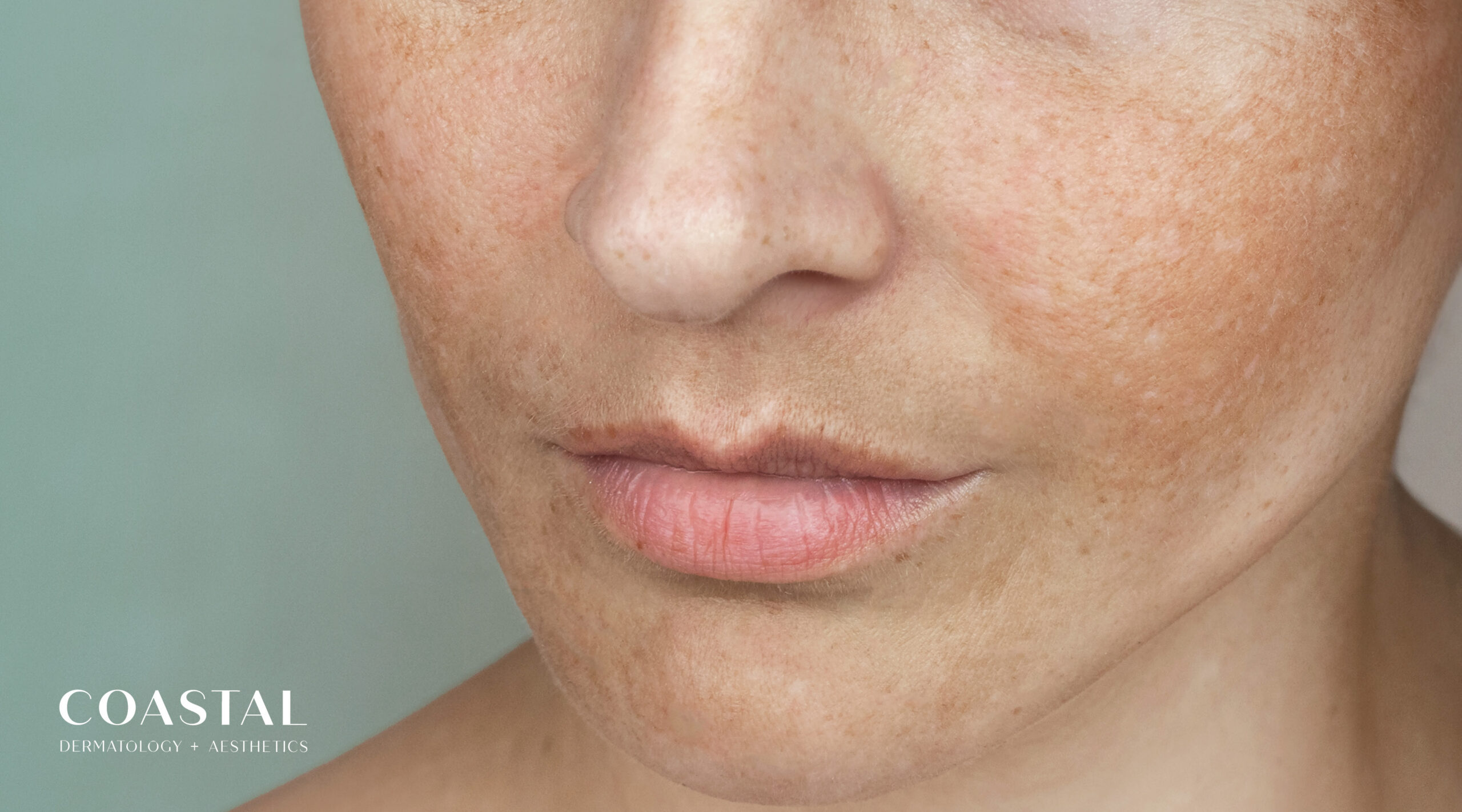
UV Safety Awareness Month is the perfect time to separate fact from fiction when it comes to protecting your skin.
Summer is a season filled with vacations, afternoons at the beach, hiking, pool days, and time spent outdoors. While enjoying the sunshine is part of what makes summer so special, misinformation about sun exposure has become more common than ever. Social media trends, outdated advice, and persistent myths have led many people to believe they can safely tan or skip sunscreen under certain conditions.
One of the newest examples is a viral trend known as “UVmaxxing,” where people intentionally use the daily UV Index to maximize sun exposure in hopes of achieving a darker tan. While the trend may sound harmless, it encourages behaviors that increase DNA damage and significantly raise the risk of premature aging and skin cancer.
This UV Safety Awareness Month, our dermatology experts are breaking down some of the most common myths about sun protection and explaining what the science really tells us.
Myth #1: A Base Tan Protects Your Skin
Many people believe getting a “base tan” before spending more time outdoors helps prevent sunburn.
The truth is that a tan is not protection. It is your skin’s response to injury.
When ultraviolet (UV) radiation penetrates the skin, it damages the DNA inside your skin cells. Your body responds by producing more melanin, creating what we recognize as a tan. Rather than preventing damage, a tan is evidence that the damage has already occurred.
Even more surprising, the protection provided by a tan is extremely limited. A natural tan provides only the equivalent of approximately SPF 3 to 4, meaning your skin can still burn while continuing to accumulate DNA damage that contributes to wrinkles, uneven pigmentation, sun damage, and skin cancer.
The healthiest tan is no tan at all.
Myth #2: Tanning Beds Are a Safer Way to Tan
Some people still believe indoor tanning is a safer alternative to spending time in the sun.
The science says otherwise.
Tanning beds expose your skin to concentrated, high-intensity UVA radiation, which penetrates deeper into the skin than UVB rays and contributes to premature aging and DNA damage.
Recent research published in Science Advances found that individuals who used tanning beds had a three- to eightfold greater risk of developing melanoma, depending on how frequently they used indoor tanning. Even more concerning, as few as 10 tanning sessions were associated with approximately double the risk of melanoma.
Researchers also found that tanning bed users were more likely to develop melanoma in multiple areas of the body, including locations that are traditionally considered lower-risk sites.
The effects go even deeper than what we can see on the surface. On a molecular level, tanning bed users demonstrated significantly greater DNA damage, approximately twice the overall mutation burden, and a higher number of mutations commonly associated with melanoma compared to individuals who had never used tanning beds.
The evidence is clear: there is no safe way to tan using a tanning bed.
Myth #3: The UV Index Only Matters When It’s Hot Outside
It is easy to assume that a cooler day means your skin is protected from harmful UV rays.
Not true.
The UV Index measures the intensity of ultraviolet radiation reaching the Earth’s surface. It does not measure temperature.
That means UV levels can be very high even when it feels cool outside. Whether you’re hiking along the coast, enjoying a breezy afternoon, or spending time outside during an overcast morning, your skin may still be receiving significant UV exposure.
Checking the daily UV Index is one of the easiest ways to gauge your sun exposure and determine when extra protection is needed.
Myth #4: You Can’t Get Sunburned on a Cloudy Day
Cloud cover may block visible sunlight, but it does not block all ultraviolet radiation.
In fact, up to 80% of the sun’s UV rays can penetrate clouds, meaning sunburn and long-term UV damage can still occur even when the sky appears gray or overcast.
Daily sunscreen should be part of your routine regardless of the weather forecast.
Myth #5: Darker Skin Doesn’t Need Sunscreen
While darker skin contains more melanin, DNA damage from ultraviolet radiation affects every skin tone.
People of all skin types can develop skin cancer, and skin cancers diagnosed in individuals with darker skin are often detected at later stages because of the misconception that they are at lower risk.
Sun protection also extends beyond preventing skin cancer. Many people with medium to darker skin tones are more prone to discoloration and hyperpigmentation following UV exposure.
For these individuals, broad-spectrum protection that shields against both UVA and UVB rays, along with protection from visible light and antioxidant support from ingredients like vitamins C and E, can play an important role in maintaining a healthy, even complexion.
Our team is proud to offer the new ZO Skin Health Sunscreen Collection, including ZO Mineral Sunscreen + Shade, designed to provide broad-spectrum protection while helping support healthier-looking skin for every skin type.
Five Ways to Better Protect Your Skin This Summer
Healthy skin starts with simple daily habits.
- Wear a broad-spectrum sunscreen with SPF 30 or higher every day.
- Reapply sunscreen every two hours when outdoors, and after swimming or sweating.
- Check the daily UV Index before spending extended time outside.
- Avoid tanning beds completely.
- Schedule an annual full-body skin examination with a board-certified dermatologist.
Small changes today can help reduce your risk of premature aging, sun damage, and skin cancer for years to come.
Protect Your Skin with Confidence
Protecting your skin is about more than preventing a sunburn. Every day, your skin is exposed to ultraviolet radiation that can contribute to cumulative DNA damage. Understanding the facts behind common sun myths helps you make informed decisions that support both your skin’s health and appearance.
If you’re looking for personalized sunscreen recommendations, want to explore the new ZO Skin Health Sunscreen Collection, or are due for your annual skin examination, our team at Coastal Dermatology & Aesthetics is here to help.
This UV Safety Awareness Month, make protecting your skin part of your everyday routine. Your future skin will thank you.